

The Origins of EBPS
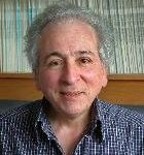
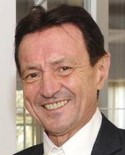
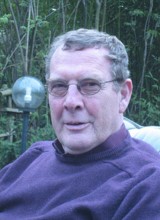
The European Behavioural Pharmacology Society was founded formally in 1986, largely on the initiative of Ian Stolerman, with support from Francis Colpaert and Lex Cools. In the preceding two years, Ian had brought together a group of prominent scientists active in the area of behavioural pharmacology, from several European countries, leading up to the launch of the Society at an inaugural meeting in Antwerp, Belgium. The background and early history have been documented by Ian and Francis in an editorial article in Psychopharmacology (1990) 101:289 – 291. Some further notes by Ian Stolerman on the development of the Society were included in the EBPS Newsletter 17, in 2022. The next paragraphs lean heavily on those two articles.
Prior to 1986, there was no society in Europe that covered the interests of those scientists studying, on the one hand, the effects of drugs on behaviour, and on the other, using behavioural methods to understand the actions of drugs. A small group of scientists had established methods to study the ability of drugs to act as discriminative stimuli in guiding behaviour, prominent among them in Europe being Ian Stolerman, working in an academic institution in London (Institute of Psychiatry, part of Kings, University of London), and Francis Colpaert in a pharmaceutical company, Janssen Pharmaceuticals, in Beerse, Belgium. Together with John Rosencrans, Francis had organised a symposium (the International Symposium on Drugs as Discriminative Stimuli) in 1978, followed by Ian and Jef Slangen forming the European Study Group for Internal Stimulus Control. Successive meetings of this group took place in Birmingham, UK (1979), Brighton, UK (1980), Liege, Belgium (1983) and London, UK (1984). A second meeting of the International Symposium on Drugs as Discriminative Stimuli took place in 1982. By this time, it was recognised that it was not only the area of Drug Discrimination research that lacked an organisational home, but that there was no appropriate society for a much wider field of Behavioural Pharmacology. Thus, when the Drug Discrimination community met up as an informal group at the meeting of the European Neuroscience Association in Hamburg in 1983, it was not a big step to suggest the formation of a broader society covering behavioural pharmacology as a whole. Ian Stolerman writes in the Society Newsletter 17 (2022) that the occasion was an informal dinner and that it was Dai Stephens who suggested that the scope of the organisation should be broadened, but it was clear that Ian was the main motivating force for starting the new society.
The Steering Committee
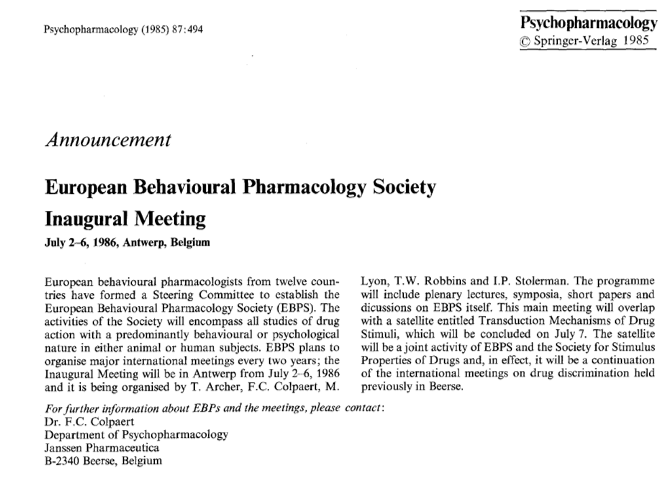
It was January 1984 when Ian sent out an invitation to prominent behavioural pharmacologists to join a group whose remit was “to investigate the possibilities for a European Association on the behavioural and psychological effect of drugs … to include all studies of drug action with a predominantly behavioural or psychological nature, with “behavioural” being widely defined to include both unconditioned and conditioned behaviours (classical and instrumental)”. The 10 invitees to this “Steering Committee” were located across Europe, and all responded positively, though, curiously, apart from Ian Stolerman himself, only Trevor Archer (Sweden), Francis Colpaert (Belgium) and Trevor Robbins (UK) played important roles in the subsequent development of the Society. An initial meeting was planned to take place in Antwerp, Belgium, in 1986, and the original “Steering Committee” expanded with the addition of Robert Dantzer (France), Joe Huston (Germany), M. Krsiak (Czechoslovakia) and Christina Spyraki (Greece). While Ian took responsibility for the organisation of the Society, the Antwerp meeting was organised by Francis, with him, Trevor Robbins and Ian organising the scientific content. The new Society and its first meeting were announced in the journal, Psychopharmacology, in 1985.
About 150 behavioural pharmacologists attended this inaugural meeting, including many participants from North America (indeed, the number of colleagues from the USA in attendance was second only to UK scientists). By the time of the second meeting, in Athens in 1988, organised by Christina Spyraki, membership and meeting attendance had risen to 300, and the Society was financially sound.
The EBPS Foundation
From its earliest days, the Society was a great success scientifically, run by a group of enthusiastic individuals elected at the initial meeting. Prominent among them were Ian himself, Francis Colpaert and Lex Cools, who, as founding fathers, were sequentially elected as the first three presidents. Trevor Archer became the first Treasurer and raised much-needed finance. However, although scientifically strong, and organisationally competent, the Society had no formal or legal status. As a consequence, the founding Executive Committee became concerned that, in the event of a future meeting suffering a financial loss, they would be personally responsible for covering the costs. To cover this eventuality, in 1992 the Executive Committee established an independent body which they named the “EBPS Foundation”, and transferred the Society’s financial reserve, garnered through the enthusiasm of its founding members, and support from participants at its biennial meetings, to this body. Membership of the Foundation was limited to the first three presidents of EBPS. The rationale for this action, explained in a letter from its Chair, Lex Cools, in November 2002, was that, in the case of a collapse of the EBPS biennial full meeting, it would allow EBPS to be resurrected. Why a separate organisation and leadership was required, rather than establishing EBPS itself as a legal entity was never clear.
Nevertheless, the establishment of the Foundation as an independent body, outside the Society itself, gave an impetus to establishing EBPS itself as a legal organisation. This process was initiated under the presidency of Trevor Robbins in Cambridge, and completed under that of Dai Stephens, at that time employed at the pharmaceutical company, Schering AG, in Berlin. For that reason, EBPS was first established as a legal entity in Germany on 23 August 1994. Since its legal existence was in Germany, and the current president was based there, it also made sense for the accounts to be held there, and to appoint a Germany-based treasurer, initially Franz Josef van der Staay, a colleague from Troponwerke GmbH (CNS subsidiary of Bayer AG), and subsequently Werner Schmidt in Tübingen. For that reason, Tübingen was registered as the Society’s official seat.
Establishment of EBPS as a legal entity
Establishment of EBPS as a legal entity also required a more formal Constitution and Byelaws. Some of the clauses are standard, establishing the name and purpose of the Society. Membership was open both to individual scientists, and legal corporations, in the hope that pharmaceutical companies might be willing to provide financial support. Whether any such company ever took up that opportunity (as opposed to providing one-off grants for meetings) is not clear to me, although the Society’s Byelaws cautiously provide a limitation that no more than one third of the membership may fall into this category. Again, and perhaps unfortunately from a financial point of view, this clause limiting the extent to which industry might involve itself in the Society, has never found a reason to be implemented. The constitution also offered the opportunity for honouring distinguished scientists who had given long and valuable service to the Society to be awarded Honorary Membership. A further clause allowed expulsion of a member for a serious offence against the interests of the Society; thankfully, it has never been necessary to invoke it!
Merging the Foundation into EBPS
The dual structure involving two legal bodies, the Society and the Foundation, was the source of some concern. Although well-intentioned, the constitution of the Foundation had not detailed how funds might be transferred between the Foundation and the Society, nor the circumstances under which such transfers might occur. In general, the Society was poorly informed about the Foundation and unclear regarding its origins, purpose, status and relationship to the Society itself. Since the Foundation’s funds had been accrued through the activities of the Society, there was some resentment that the Society had no direct access to them.
By the year 2000, as the result of successful scientific meetings in Berlin and Sardinia, EBPS itself was in a strong financial position. The Trustees of the Foundation recognised that its funds were no longer required for their original purpose and proposed that they would be used to fund a range of prizes that would be awarded at the Society’s Biennial meeting, until such time as the Foundation’s reserve was exhausted; circumstances allowing, EBPS itself would then take over this tradition. The EBPS Executive accepted this proposal in time for the award of several prizes, including a Distinguished Achievement Award and a Young Scientist Award at the 2001 meeting in Marseille. In the following year, the Trustees agreed that the Foundation should be dissolved, and all remaining Foundation funds were transferred to the Society, at that time under the presidency of Marianne Amalric, some ten years after the Foundation’s creation.
Expansion across the Globe
The Society continued to function successfully, with a growing membership and attendance at both its Biennial Meetings and Workshops. From its inception, the Society had decided that it was a European Society, and, although not determined by the Constitution or Byelaws, for that reason its officers were taken exclusively from European countries, and its meetings, with only one exception, held in Europe. Political events within Europe meant that what had been in practice a Western European Society was also able to attract participants from the former Eastern Bloc, and the Society was quick to organise biennial meetings in East Berlin (former East Germany; 1994) and Brno (Czech Republic; 1998), and a workshop in Krakow (Poland; 2006). Nevertheless, it was noted by the 2005 General Meeting that membership from hitherto “unfavoured” countries (such as those in Eastern Europe) needed to be encouraged, if necessary, by waiving membership fees. This suggestion was taken up for the workshop, in Krakow (2006).
Despite the name of the Society as the European Behavioural Pharmacology Society, both its biennial meetings and its workshops have always been attended by behavioural pharmacologists from across the globe, and, in particular, from North America. Indeed, the number of American labs using behavioural pharmacological approaches far exceeded the number of European labs, and distinguished North American scientists including Jane Stewart (Concordia, Canada) and Klaus Miczek (Tufts, USA) were early recipients of the Society’s most prestigious award. Nevertheless, the officers of the Society were exclusively from European labs. This limitation changed in 2013 when Terry Robinson (Michigan, USA) was elected to become president from 2015, and subsequently several scientists from labs outside Europe have served as president.
In response to the appointment of a non-European scientist as President, in May 2016 a discussion was initiated within the Executive Committee as to whether the Society should adopt a new name to reflect its broader international remit, as well as the widening of its scientific interests. Several (but certainly not all!) past presidents as well as other prominent EBPS members were canvassed, resulting in several suggestions for a new name to reflect both the broader geographical basis, and the broadening of the scientific interests of the Society to include non-pharmacological approaches. Suggestions included “International Behavioural Pharmacology Society” with the acronym IBPS, “International Neuropsychopharmacology Society” (INPPS), “Behavioral Neuropharmacology Society” (BNS), “Society for Psychopharmacology and Behavioural Neuroscience” (SPBN), “International Society for Behavioural Neuropharmacology” (ISBN), and “International Society for Psychopharmacology and Behavioural Neuroscience” (ISPBN). None of these suggestions found favour with the Executive Committee, despite the president at the time (Terry Robinson) being American, and the name of the Society remained as it was founded.
This widening of the Society at the level of its officers has also seen an awareness of a weakness in making EBPS attractive to under-represented minorities and regions. As an initial step, a pre-meeting for early career researchers was introduced at the 2017 Biennial meeting. In 2023 the Executive Committee created an Inclusion, Diversity, Equity, and Accessibility (IDEA) subcommittee to consider further ways of improving participation of scientists irrespective of sex, age, race, colour, or national origin. One outcome was the broadening of our focus to include more early-career scientists – who represent a more diverse generation – and colleagues within our field from countries historically underrepresented at EBPS. As well as a mentor–mentee programme with lunchtime roundtable discussions during meetings, another part of that effort was the establishment of travel awards for such members who might not otherwise be able to attend our meetings. A further innovation was the introduction of a session, “Elevating global perspectives in neuroscience: Barriers, opportunities, action” at the 2025 Biennial meeting in Almería, Spain, in which four young scientists from emerging countries presented their work.
Organisation of EBPS
The main purpose of the Society is to further the field of behavioural pharmacology, behavioural neuroscience and psychopharmacology. This is achieved mostly by the organising of conferences with scientific presentations by members and guests. The body with overall responsibility for the Society is the General Meeting of its members, which is held at the Society’s Biennial meeting. In between biennial meetings, the Society is run by its Executive Committee, elected by the membership.
The Executive Committee
In practice, and from the outset, the day-to-day running of the Society has been in the hands of its Executive Committee, whose membership consists of the current President, Past President, President-elect, Secretary, Treasurer, Organiser of the past Biennial meeting, as well as the Organiser of the upcoming biennial meeting. Following the arrangement, first with the journal Behavioural Pharmacology, and subsequently, Psychopharmacology, the Society’s representative on the respective Editorial Board also participated in the Executive Committee. More recently, the Executive has expanded to include the additional positions of Communications Committee Chair (Newsletter Editor, Social Media, Communications), EBPS Inclusion, Diversity, Equity, and Accessibility (IDEA) Committee Chair, and the upcoming Workshop Chair.
As presidents changed, the venues for EC meetings largely followed the home institution of the current president, largely avoiding room-hire costs, but excessive costs of international travel, as well as hotel (and some venue) costs for EC meetings were frequently a concern. The EC meeting of September 2009 considered the problem but felt that meeting by teleconference was inappropriate and delegated a member to look for alternative, easy-to-reach, cheap options. However, it was not until the 2019 EBPS biennial meeting in Braga, Portugal, that the decision was made to henceforth hold EBPS EC meetings using online meeting software. In this way, the meetings could be held more frequently – every two months, instead of once or twice a year – while at the same time being more cost-efficient.
Originally, in addition to meeting at the Society’s Biennial Meeting, EC meetings took place, perhaps a couple of times a year, often in the premises of the Wellcome Foundation in Gower Street, London, which were provided free of charge. Nevertheless, the costs of bringing EC members to London including flights and hotel accommodation were a significant drain on the finances. As far as I remember, by far the main Agenda items were the plans for the next Biennial Meeting. Although Society members were invited to propose symposia themes and to suggest appropriate speakers, the EC spent considerable time selecting from the proposals and was not shy in vetoing some suggested speakers and introducing others. As I remember them, these discussions were often contentious, and EC selections (sometimes, while accepting a topic, substituting for the proposed speakers) not infrequently unacceptable to their original proposers. Although Minutes were taken and circulated, they have largely been lost, and for that reason parts of our early history are difficult to reconstruct.
The use of the Internet to hold online Executive meetings is not only much less expensive, but more efficient, and has allowed a more global EC membership, as long as EC members from widely different time zones are able to adjust their diurnal rhythms appropriately. A bonus is that the Minutes of the meetings are readily available to participants. Reading those Minutes, it is clear that the range of topics addressed by the EC these days is considerably wider than that addressed by early EC meetings. Not least, the introduction of a transparent, numerical system for evaluating meeting proposals removed any suspicion of bias in choosing future meetings and topics. A further development has been that decisions on the programme of the Biennial Meeting have been largely left to the Local Organising Committee, leaving the EC time to discuss more organisational matters.
Perhaps most importantly, although the EC meeting in Braga could not have anticipated it, the oncoming COVID-19 pandemic put an end to physical meetings of the Executive Committee. The president at the time, Louk Vanderschuren writes “All of a sudden, all physical meetings of any kind got cancelled, postponed, or held using online applications. The 2020 FENS meeting (planned to be held in Glasgow, UK) was transferred to an online meeting, which included the pre-meeting workshop that EBPS had organised together with the European Brain and Behaviour Society (EBBS), the European Molecular and Cellular Cognition Society (EMCCS) and the International Behavioural and Neural Genetics Society (IBANGS).” Louk writes “I vividly remember the Saturday of that meeting, attending the presentations in my study at home, feeling sad about not seeing my friends and colleagues in person, while at the same time feeling proud that this online meeting was such a success! In the aftermath, the contributors had the opportunity to contribute to a special issue of Neuroscience and Biobehavioral Reviews, and I was pleased to write a short comment together with Shelly Flagel and Yavin Shaham, my successors as presidents of EBPS”.
The COVID-19 pandemic had similar repercussions for the EBPS workshop on Biomarkers, originally planned for August 2020, but held as an online meeting in March 2021, requiring flexibility of the organisers, Jane Foster on behalf of the Canadian Biomarker Integration Network in Depression (CAN-BIND), and Mohammed Shoaib on behalf of EBPS. A similarly difficult decision was to hold the 2021 biennial meeting, for which all the preparations were already in place, to be hosted in Maastricht, the Netherlands, as an online meeting.
Workload
The running of an Academic Society such as EBPS requires a considerable effort by its officers. In his History of the Society, Ian Stolerman writes that he was forced to “hide” from his employers the amount of time he put into the formation and organisation of EBPS. Subsequent officers of the Society have necessarily expended considerable time and effort in managing the Society’s affairs, sometimes with, sometimes without the support of their own institutions. The current president, who carries much of the responsibility for the Society over the 2-year period of office, and the local organising committees of both the Biennial Meetings, and the Workshops, carry an enormous workload, as does the Treasurer.
Finances
Reading through the history of the Society as seen through the Minutes of EC Meetings, one cannot avoid being impressed by the enormous amount of work carried out by the Society’s Treasurers over the years. Their work includes the careful refunding of awards to individual attendees at conferences and the day-today management of the Society’s funds, held until recently in a German bank (now in the Netherlands). The occasional insistence of the treasurer in limiting the spending ambitions of the Executive should also not be forgotten! In his article outlining the early history of the Society, Ian Stolerman paid tribute to the founding Treasurer, Trevor Archer, for his role in organising funds to bring the Society into existence; that tradition continues, and in reading the Society’s files, I am enormously impressed by the dedication and competence of successive treasurers. The implementation of a simple credit card-based payment system for the EBPS website, led by Anand Gururajan and Mohammed Shoaib, made membership enrolment much easier. The COVID-19 pandemic threatened the existence of many societies, unable to meet (and thus benefit financially from the organisation of meetings), but EBPS managed to survive this threat. Under the financial leadership of first Anne Jackson, then Mohammed Shoaib (Treasurers) the Society’s finances were stabilised while avoiding, or keeping minimal, increases in membership and meeting fees. Of course, finance is only important inasmuch as it allows the Society to achieve its scientific aims. Thus, with growing financial stability, the Society has been able to increase the number of young scientists (postdocs and doctoral students) receiving financial support to allow them to attend meetings, so that for the recent 2025 meeting there were 20 such awardees.
The enormous scientific and organisational responsibility of the organisers of the Biennial meeting and Workshops has already been mentioned, but it took the tragic unexpected death of Werner Schmidt while he was organising the Tübingen Biennial Meeting to realise that running the Society, and in particular organising major meetings, was an overwhelming burden for the elected president and particularly the treasurer and meetings secretary, especially as they were likely to be senior scientists heavily responsible for their own research programmes. For this reason, from time-to-time the Society decided to employ a part-time assistant, in the first instance Daniela Binder who had been central in the organisation of the Tübingen meeting. The role is flexible and covers diverse jobs such as following up unpaid membership subscriptions, handling abstracts, and organising registration at meetings, all essential functions previously carried out by various members of the Executive.
Role of the Full Committee
Alongside the Executive Committee, which is responsible for the smooth running of the Society, for the selection of host locations for the Society’s Biennial Meetings, and Workshops, a “Full Committee” was established to allow broader involvement in the running of the Society and to encourage the participation of individuals who might subsequently become members of the Executive Committee. Although created in order to give a wider role and appeal to the membership, the precise role of the Full Committee was unclear from its inception. Indeed, the Full Committee seldom met outside the context of the Biennial Meeting. Nevertheless, a number of members first found a role in the Full Committee before they, with increasing seniority, took on roles within the Executive Committee.
More recently, a role for members of the Full Committee has been created in its input into the assessment of travel awards, membership of poster prize panels, and other similar roles. With the adoption of electronic communication, the prohibitive costs of including the Full Committee more regularly are no longer an issue, and in the future FC members may take part in EC discussions from time to time.
Social Media Officer
A relatively recent advance has been the use of social media to keep members up to date with developments in which the Society is involved. The website (https://ebps.org/) has also allowed the EBPS membership to be kept informed about recent developments, meetings, and other noteworthy issues via a regular Newsletter. To facilitate this, a webmaster has been appointed.
Integration of the now more widespread membership was achieved by the introduction of a regular newsletter, while a more open and transparent election process for selecting the next President was introduced to allow the membership greater “ownership” of their Society. The historic contribution of successive presidents was acknowledged with a past presidents’ get-together at the biennial meeting, an enjoyable opportunity for some of us to hear and comment on new developments, as well as meet up with old friends.
Interaction with other Societies
Emerging originally from informal gatherings at major neuroscientific events, EBPS has always sought interaction with other societies. The 1992 Biennial Meeting in Cambridge was held in collaboration with the British Association for Psychopharmacology, as was the Workshop on Drug Addiction, in Brighton, UK, in 2002. Both the Brno (1998) and the Boston (1999) Biennial Meetings were held in conjunction with the US Behavioral Pharmacology Society, and the Marseille (2001) and Verona meetings (2015) with the European Brain and Behaviour Society (EBBS). Such joint meetings have the benefit of increasing attendance and potentially of sharing costs, but, most importantly, of encouraging scientific exchanges with the sister societies. Of course, a natural development of successful joint meetings would be the merger of the two collaborating Societies, and EBPS and EBBS have discussed this possibility on a couple of occasions. At the time of the 2001 negotiations, it was EBPS which was reluctant to enter into a formal merging of the two societies, despite real enthusiasm from the EBBS side, but when the topic was raised again during the presidencies of Aldo Badiani and then Dora Duka at the time of the highly successful joint meeting in Verona, both sides seem to have had reservations. Barry Everitt, who has (at different times) served as president of both Societies, writes that, in his view, not only was a joint EBBS-EBPS meeting intellectually valuable, but that if the two societies, which at the time both had declining numbers of paying members, were to fuse, there would be a major behavioural and cognitive neuroscience society and meeting in Europe that could go from strength to strength. But EBBS felt that behavioural and cognitive neuroscience would lose out too much, and the opportunity was lost, at least for the time being.
Nevertheless, this collaboration with sister societies has also been facilitated by EBPS becoming a member of the Federation of European Neuroscience Societies (FENS) in 2001, allowing the organisation of collaborative events with other FENS societies. The Minutes of the September 2013 Executive meeting record a deliberate strategy of encouraging such interactions, perhaps eventually leading to a fusion of EBPS with such a sister Society. One such collaborative effort was the mini conference “Understanding Behaviour: Molecular, Cellular & Systems Approaches” organised with our sister FENS member societies EBBS, IBANGS (International Behavioral and Neural Genetics Society), and EMCCS, held at the FENS biennial meeting in 2022. A further joint EBBS/EBPS event, “Understanding the Neuronal Mechanisms Driving Behaviour, from Molecular and Cellular Processes to Complex System Interactions” was held at the time of the 25 June 2024FENS meeting, and another joint event “The importance of behaviour to neuroscience: from cells to systems” is planned for the 2026 FENS meeting in Barcelona.
Relationship to Journals
In 1991, the Society established a close relationship with the then-recently founded journal, Behavioural Pharmacology, published by Lippincott Williams & Wilkins. Behavioural Pharmacology was edited by Paul Willner, a prominent member of the Society who subsequently served as President in 2001-2. From its inception David Sanger served as the EBPS representative on the Editorial Board of the journal, although, in reality, much of the Editorial Board was made up of EBPS members. As a consequence, the Abstracts of papers presented at the Society’s meetings were published in Behavioural Pharmacology from that time until the 2013 meeting in La Rochelle. This relationship ended formally in 2014 when the EC decided to consider the proposal by publisher Springer Verlag to establish a relationship of the Society with their rival journal, Psychopharmacology. Springer offered favourable conditions, including a role of an EBPS Co-Editor, and free access to the journal for EBPS members. A vote of members taken at the 2013 Biennial meeting showed a majority of members present (45 out of 57) favouring the change. The relationship to Psychopharmacology continues, the current EBPS Editor being Christelle Baunez.
EBPS Biennial Meetings 1986-2024
The biennial meetings are essentially EBPS’s “raison d’être”, and our success owes so much to the succession of scientists who have given their expertise and time to planning and hosting them. I think I have attended all our biennial meetings (except the COVID-stricken Maastricht meeting) to date, so can say with some authority that they have consistently achieved a high level of science, and opportunities to build scientific friendships across the world. Here are brief accounts of the meetings and their organisation, some personal memories (not always scientific) and a mention of the local organisers.
1986, Antwerp, Belgium, 2-6 July – organised by Francis Colpaert
The first meeting of the Society took place in Antwerp, Belgium in 1986, organised by Francis Colpaert, one of the Society’s founders, and at that time a prominent researcher at Janssen Pharmaceuticals in nearby Beerse. Francis had a particular interest in and made important contributions to the study of the stimulus properties of drugs, and in addition to his organisation of the main meeting, he organised a satellite meeting on drug discrimination at Janssen in Beerse. Abstracts were published in the journal, Psychopharmacology (https://ebps.org/wp/wp-content/uploads/2022/09/EBPS-Inaugural-Meeting-Booklet.pd
1988, Athens, Greece – organised by Christina Spyraki
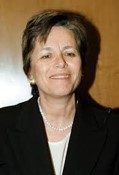
Christina was secretary of the founding Executive Committee when she organised this meeting in Athens, although she was based in Crete at the time. A satellite meeting organised by her former classmate at Athens Medical School, Theodora Duka, was held in nearby Porto Rafti. Christina went on to become Chair of Pharmacology in Athens, then the Rector of Athens University and Greece’s Minister of Health. Sadly, she passed away in 2006.
1990, Noordwijkerhout, The Netherlands – organised by Menno R. Kruk
The meeting took place in a conference centre located behind the dunes of Noordwijk beach. The fun of the meeting was exemplified by Bob Balster and Jim Woods pretending they had mistakenly prepared for each other’s topics and at the last moment pretending to exchange their lecture notes. Also memorable was the horror of many participants at the raw herring (delicious!) that formed part of the conference dinner.
1992, Cambridge, England – organised by Trevor Robbins.

Cambridge has been an important centre for research in psychopharmacology since the pioneering work of Sue Iversen. One of her first students, Trevor, the incoming EBPS president at the time, was the motivating force behind the meeting held in one of Cambridge’s ancient Colleges, in collaboration with the British Association for Psychopharmacology (BAP). Trevor, of course, has gone on to be awarded the “Brain Prize”, the most prestigious recognition for research in brain sciences.
1994, Berlin, Germany – organised by Dai Stephens and Heidrun Fink

The Berlin Wall was opened in November 1989, allowing the collaboration of Dai, at the pharmaceutical company, Schering AG, in West Berlin (which was generous in its financial support), and Heidrun, at the Humboldt University in former East Berlin, to organise this meeting on the East side of the Berlin Wall. The meeting was well-attended, but the facilities, inherited from the East German times, were limited, and the local restaurants in the immediate vicinity, few. One technical problem was the slide projector in the main hall which overheated, sometimes melting the slide if the speaker delayed too long on it. At least this encouraged good timekeeping, with no one daring to spend too much time on each slide!
1996, Forte Village, Sardinia, Italy – organised by Gaetano (Nini) Di Chiara

Nini has been an enthusiastic member of the Society since its inception, and acted as host for what was, without doubt, the most luxurious venue we have ever had, right next to the beach.
The generous supply of food and wine perhaps accounts for the vagueness of my recall of the science.
1998, Brno, Czech Republic – organised by Alexandra E Sulcova
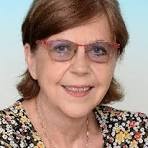
The recognition of Eastern European scientists as contributors to our field was accomplished by holding the 1998 meeting in Brno (then Czechoslovakia, now Czechia). Some 270 participants from 25 countries gathered in the city where Gregor Mendel had carried out his fundamental studies on genetics. A glimpse of the origins of behavioural analysis in Eastern Europe was given by E. Zvartau (Pavlov Medical Univ., St. Petersburg, Russia).
The meeting Abstracts are in Behavioural Pharmacology (Vol. 9, Suppl. 1)
1999, Boston, USA – organised by Jack Bergman, Klaus Miczek and Dave Sanger

From its beginnings the Society has attracted, and been supported by, behavioural pharmacologists from North America, but this is its only meeting to have been held there. This joint meeting with the (North American) Behavioral Pharmacology Society (BPS), was inspired by Klaus Miczek, president of BPS, but also an enthusiastic supporter of EBPS from its birth, and was organised by him at Tufts and Jack Bergman at Harvard; the EBPS overview was provided by Dave Sanger in Paris, as, at this time there were no non-European members of the EC.
2001, Marseille, France, 8–12 September – organised by Marianne Amalric
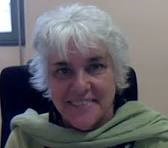
The meeting in Marseille, planned together with sister society EBBS, promised much under the leadership of Marianne Amalric, but the scientific event was totally overshadowed by the terrorist attacks of September 11th on the World Trade Center in New York, and the Pentagon in Virginia. The science was paused as participants sat appalled at the events in New York shown on the screen of the main lecture theatre. Although the meeting presentations were restarted, unsurprisingly, several speakers felt unable to continue. Flights from Europe to North America were cancelled, marooning many North American participants in Europe for some days after the meeting. On such occasions, the scientific and social aspects of the meeting are unsurprisingly difficult to recall.
2003, Antwerp, Belgium – organised by Thomas Steckler
EBPS returned to Antwerp for its biennial meeting in September 2003, hosted by Thomas, at that time employed by the pharmaceutical company Johnson & Johnson.
Abstracts are available in Behavioural Pharmacology 2003 Sep;14 Suppl 1:S1-88.
2005, Barcelona, Spain – organised by Rafael Maldonado and Patricia Robledo
September 2005 saw our first visit to Spain, where we were hosted by Rafael Maldonado of the Pompeu Fabra University, and Patricia Robledo of the Hospital del Mar Research Institute. The setting was close to the harbour, so that the proceedings were occasionally interrupted by the cruise liners blasting their horns as they left port, causing much amusement as the president was speaking.
2007, Tübingen, Germany – organised by Werner J Schmidt

The meeting took place under the cloud of the tragic death of Werner Schmidt in the months leading up to the meeting. Werner had put together the bones of the programme, and, thanks to the efforts of his colleagues and former students, especially Daniela Binder, Thomas Tzschentke and Beate Kretschmer, the meeting was a great success, with 358 participants, from 30 different countries, including a good representation from Eastern Europe, resulting in a substantial profit of €56,000. An unusual feature was the interview of some participants on local radio. Appropriately, the Distinguished Achievement Award was awarded to Klaus Miczek (Tufts University, Boston, USA), who was German by birth. However, the lack of any human psychopharmacology in the meeting was seen as a missed opportunity and a weakness which has been fully rectified in subsequent meetings.
Abstracts are available in Behavioural Pharmacology 2007 Sep;18 Suppl 1:S1-115.
2009, Rome, Italy – organised by Aldo Badiani

Aldo had recently been appointed to a Chair at the University of Sussex, in the UK, but with the help of colleagues at his alma mater in Rome organised a great meeting.
Behavioural Pharmacology 20():p S1, September 2009.
2011, Amsterdam, The Netherlands – organised by Louk Vanderschuren and Taco De Vries
From its very inception, EBPS has received wonderful support from colleagues from The Netherlands, reflecting the strength of the subject there. The 2011 Biennial meeting was held in Amsterdam at the wonderful Beurs van Berlage (Berlage’s stock exchange), which was built around the turn of the twentieth century, in a mixture of Jugendstil, Neo-Roman and Amsterdamse School styles. For over 90 years, it had been in use as a financial centre – but in 2011 it was home to EBPS!
Fascinating plenary lectures were given by Kent Berridge and Distinguished Achievement Awardee Barry Everitt, and Judith Homberg received the Young Scientist Award. Some hot topics that were addressed at this meeting included reconsolidation of (appetitive) memory, new developments in cannabinoid pharmacology, (cognitive) mechanisms of addictive behaviour and the recently launched DSM-V criteria for mental disorders.
Behavioural Pharmacology 22():p e1-e73, August 2011.
2013, La Rochelle, France – organised by David Belin
David had been awarded the Society’s 2009 Young Scientist Award and is possibly the youngest Biennial meeting organiser.
With only 204 participants, attendance was lower than expected, possibly because of a clash with an EBBS meeting. The resulting financial loss emphasised the importance of the Society having a healthy financial reserve.
Abstracts of presentations are available in Behavioural Pharmacology 24():p e1, October 2013.
2015, Verona, Italy – organised by Cristiano Chiamulera

The Verona meeting was a new venture for EBPS as it was co-organised with our sister society EBBS. The result was a large meeting lasting an extra day, allowing a breadth of topics of interest to both Societies.
More than 500 people attended the scientific sessions and lectures, as well as enjoying the Gran Guardia venue in front of the ancient Roman Arena. The scientific programme was created to share the respective ‘traditional’ themes of the two societies, from preclinicalto human studies. The opening lecture was given by Joseph LeDoux who proposed the conceptual change from ‘fear’ to ‘threat’ when talking about conditioning studies. Also memorable was the performance by LeDoux’s rock group “The Amygdaloids”, featuring lyrics on the theme of mind and the brain.
Besides the scientific exchange, the local amusements of Romeo and Juliet’s city offered interesting food and wine, as well as art and history.
2017, Heraklion, Greece – organised by George Panagis

The 2017 meeting saw us returning to Greece, this time at Europe’s southernmost outpost in Crete. That around 240 participants came from across the world, with a notably strong presence of graduate students and postdocs, felt encouraging for the future of the Society. The meeting was held at the Aldemar Knossos Royal in Hersonissos, a seaside venue allowing participants a holiday atmosphere between sessions, as well, of course, as some good science.
Scientifically, the meeting focused strongly on addiction, stress, reward, cognition and psychiatric disorders, with 14 symposia, 180 posters and many discussions centred on translational approaches linking animal and human research.
What remains strongest in the memory, however, is the atmosphere, encouraging interaction beyond the formal sessions. We deliberately invested in social events, and I particularly remember the gala dinner at a well-known seafood restaurant overlooking the sea in Hersonissos. Some of the braver participants joined the Greek contingent in Greek dancing, resulting in one former President spending a few days in a local hospital! Together with the Cretan hospitality, these informal settings helped conversations continue late into the evening and strengthened collaborations and friendships within EBPS.
2019, Braga, Portugal – organised by Nuno Sousa

This was EBPS’s first visit to Portugal, but hopefully not the last. A novel feature of the meeting was an EBPS Young Scientist Workshop “From networks to behavior and back” held at the University of Minho, before the main meeting held at the Melia Hotel outside the city of Braga.
As a fan of the traditional Portuguese music, fado, I was delighted that the organisers were able to arrange an outstanding fado concert during the dinner.
2021, Maastricht, The Netherlands – organised by Rudy Schreiber

The 2021 meeting was severely restricted as the COVID-19 pandemic prevented travel to Maastricht. As a result, many of the talks were presented online. Looking on the bright side, the organisers pointed out that a virtual setting increases the geographical reach for the meeting and significantly lowers the hurdle for students and scientists for whom a regular meeting may be too expensive. This may especially hold true for the next generation of scientists: master’s and PhD students and postdoctoral researchers. Maastricht continued with the initiative from the previous meeting in Braga, in organising a workshop for young scientists on the first day of the meeting.
2023, Mannheim and Heidelberg, Germany – organised by Rainer Spanagel

Rainer and his team organised this four-day meeting in the magnificent setting of Mannheim’s Baroque Palace. For me it was a pleasant reminder of a sabbatical of a few months I had spent in Mannheim and Heidelberg some years previously.
The meeting, with over 350 participants, featured 27 symposia, four plenary lectures, award lectures, panel discussions, and travel awardee data blitz sessions, highlighting the increasing integration of computational, circuit-based, and translational approaches in neuroscience
A dedicated mentor-mentee programme and an accompanying Summer School supported early career researchers (ECRs). Thirty-six ECRs from 18 different countries participated in the week-long translational addiction summer school, learning from outstanding global experts. In addition to gaining a deeper understanding of addiction at preclinical, translational, and clinical levels, participants enjoyed daily social activities, such as visiting beer gardens and participating in a half-day bicycle tour through the beautiful Neckar Valley.
A total of 123 posters were presented across two poster sessions. Feedback from participants emphasised the broad range of topics, high-quality speakers, interactive workshops, and valuable networking opportunities. The meeting was well financially supported and led to a useful income for the society.
However, many participants noted the extreme temperatures nearing 40 degrees Celsius without air conditioning, as the use of AC in public buildings is strictly regulated in Germany, to promote energy saving. On the positive side, the cool beers in the beer gardens at night were well appreciated by all participants.
2025, Almeria, Spain – organised by Margarita Moreno
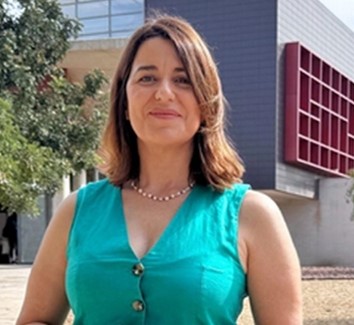
The EBPS 2025 Biennial Meeting was held in Almería, Spain.
Another excellent meeting included participants from 6 continents and 25 different countries with diverse researchers across all career stages. The programme continued the inclusion of quick presentations of selected posters (Data Blitz) from winners of travel awards, and added a new feature, a session for presenters from scientifically emerging nations.
Scientifically, the programme highlighted major developments in addiction vulnerability, psychedelics in behavioural health, and the microbiome’s role in brain function. Importantly, initiatives arising from the Executive’s IDEA initiatives, such as the mentor-mentee programme, a childcare service, and roundtables, which addressed academic challenges like work-life balance, language barriers, and the impostor syndrome were introduced. The coastal setting and social events, such as the Gala Dinner, created a dynamic and enjoyable environment for scientific exchange.
2027, Cork, Ireland – to be organised by Rachel Moloney, Olivia O’Leary, and John Cryan
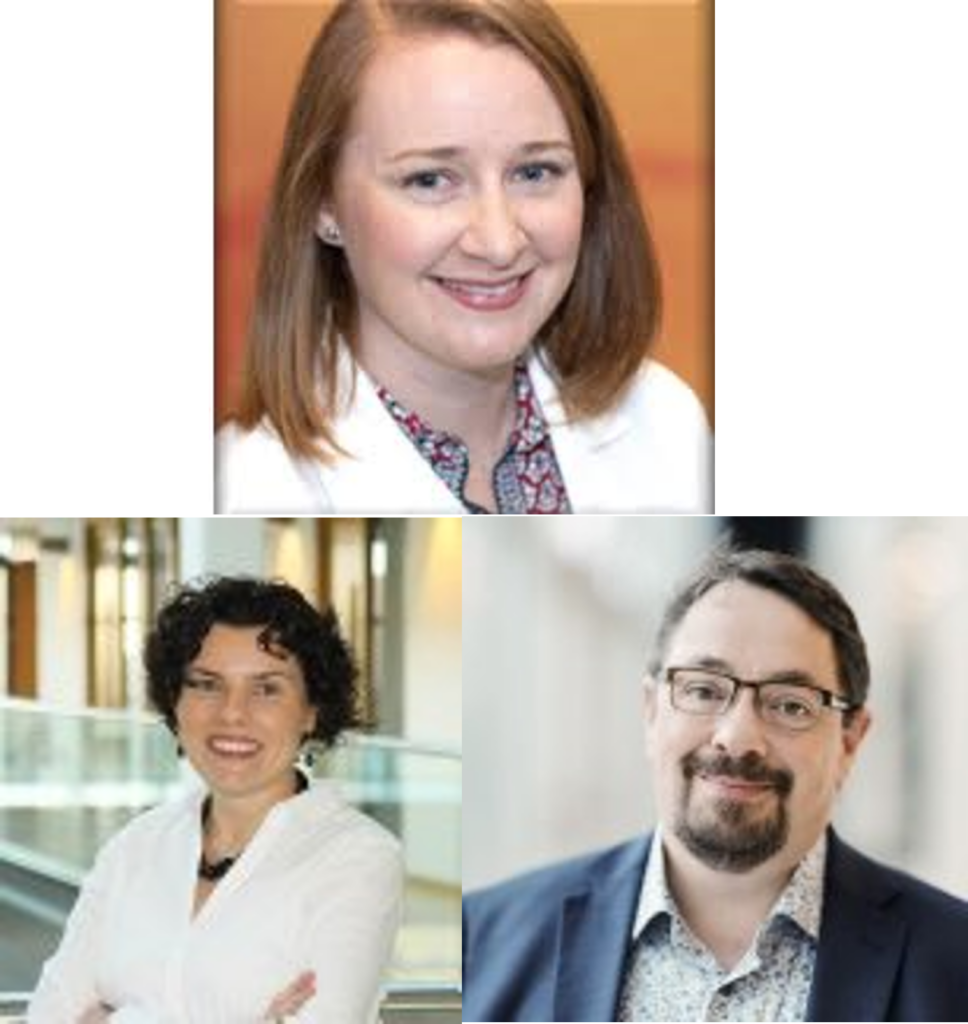
The next biennial meeting will take place in Cork, Ireland, organised by colleagues from University College, Cork
EBPS Symposia and Workshops
Although the biennial meetings are the main events in the EBPS calendar, a series of more narrowly themed workshops have given an opportunity for more in-depth analyses of specific areas. These meetings, sometimes held as satellites of the biennial meeting, sometimes in the years between the biennial meetings, have provided an opportunity for more intense discussion of diverse limited areas within behavioural pharmacology.
Transduction Mechanisms of Drug Stimuli,
Antwerp, Belgium, 2–7 July 1986,
organised by F. Colpaert
Behavioural Pharmacology of 5HT, Amsterdam,
The Netherlands, Oct 1987,
organised by P. Bevan, A. Cools & T. Archer
Cognitive Enhancers: Preclinical and Clinical Pharmacology,
Porto Rafti, Greece, 30 August 1988,
organised by T. Duka.
The Mesolimbic Dopamine System: from Motivation to Action,
Msida, Malta, 25–26 September 1989,
organised by P.J. Willner & R. Muscat
1st Ethopharmacology Symposium,
Lisek, Czechoslovakia, 2–6 April 1990,
organised by M. Krsiak
Drug Discrimination Meeting,
Noordwijkerhout, The Netherlands, 27 June–1 July 1990,
organised by R. Glennon & T.U.C. Jarbe
CNS Active Compounds,
Heraklion, Crete, 15–20 April 1991,
organised by C. Spyraki
Sensitization and Tolerance in Behavioural Pharmacology,
Pistoia, Italy, 8–10 September 1993,
organised by F. Borsini & P. Nencini
Behavioural Pharmacology of Excitatory Amino Acids and Their Antagonists,
Marseille, France, 20–23 September 1995,
organised by M. Amalric
2nd Ethopharmacology Symposium,
Sopron, Hungary, 6–9 September 1997,
organised by J. Haller
The Behavioural Pharmacology of Anxiety and Depression,
Bath, UK, 20–23 November 1997,
organised by P.J. Willner
Drug Discrimination Meeting,
Antwerp, Belgium, 5–7 July 1998
organised by B. Balster & F. Colpaert
Schizophrenia,
Amsterdam, The Netherlands, 21/6-24/6, 2000,
organised by B. A. Ellenbroek
New Advances in the Understanding and Treatment of Addiction,
Brighton, UK, 19–21 September 2002,
organised by P.J. Willner and D.N. Stephens
Neurobehavioural Plasticity,
Rome, Italy, 2–4 September 2004,
organised by A. Badiani
Neurodegeneration: Basic Mechanisms of Motor and Cognitive Dysfunctions,
Cracow, Poland, 2–5 September 2006,
organised by K. Ossowska
Behavioural Genetics and Neuropsychiatric Disorders,
Cork, Ireland, 25–27 August 2008,
organised by J.F. Cryan
Drugs, Psychiatric Disorders and Neurogenesis,
Tours, France, 3–5 September 2010,
organised by C. Belzung
Eating Behaviour and Obesity,
Lecce, Italy, 7–9 September 2012,
organised by S. Gaetani
Immune influences on brain & behaviour,
Brighton, UK, 27–29 June 2014,
organised by N. Harrison & T. Duka
Stress, PTSD & Psychiatric Disorders: From Basic Science to Therapeutic Intervention,
Rehovot, Israel, 3–4 May 2015,
organised by Y. Shaham
A new era for neuronal ensembles in learning and perception,
Amsterdam, The Netherlands, 15–16 September 2016,
organised by B. Hope
Animal and Human Behavior: Using Computational Approaches to Build a Two-way Bridge,
Cambridge, UK, 29–31 July, 2018,
organised by S. Flagel & M. Paulus.
Behaviour to Biomarkers: Reverse Translation,
Toronto, Canada, 5–6 March 2021,
organised by J. Foster & M. Shoaib (Virtual meeting)
Spanning the spectrum of social behavior: towards more translationally relevant animal models,
Rome, Italy, 24–26 June 2022,
organised by M. Venniro, S. Golden, D. Caprioli, V. Ferretti, V. Carola & C. Cifani.
Novel pharmacotherapies for the treatment of substance use and related mental health disorders,
Banff, Canada, 25–27 September 2024,
organised by L. Mayo, M. Hill, S. Borgland & H. de Wit.
Integrating new perspectives on punishment for learning, decision making and psychopathology,
Amsterdam, The Netherlands, 25-26 August, 2026,
organised by N. Marchant, H. Lesscher & E. Hartstra.
Joint Satellite Meetings with sister societies at FENS
Understanding Behaviour: Molecular, Cellular & Systems Approaches. Paris, France. 2022 (organised with EBBS, EMCCS and IBANGS)
Understanding the Neuronal Mechanisms Driving Behaviour, from Molecular and Cellular Processes to Complex System Interactions. Vienna, Austria, 25 June, 2024 (organised with EBBS)
The importance of behaviour to neuroscience: from cells to system. Barcelona, Spain, July 6, 2026 (organised with EBBS)
EBPS Presidents
1986–1988 Ian Stolerman (UK)
1990–1992 Francis Colpaert (Belgium)
1988–1990 Lex Cools (Netherlands)
1992–1994 Trevor Robbins (UK)
1994–1996 Dai Stephens (Germany)
1996–1998 Gaetano Di Chiara (Italy)
1998–2000 David Sanger (France)
2000–2001 Paul Willner (UK)
2001–2003 Marianne Amalric (France)
2003–2005 Barry Everitt (UK)
2005–2007 Werner Schmidt (Germany)
2007–2009 Bart Ellenbroek (Netherlands)
2009–2011 Martine Cador (France)
2011–2013 Aldo Badiani (Italy)
2013–2015 Dora Duka (UK)
2015–2017 Terry Robinson (USA)
2017–2019 John Cryan (Ireland)
2019–2021 Louk Vanderschuren (Netherlands)
2021–2023 Yavin Shaham (USA)
2023–2025 Shelly Flagel (USA)
2025–2027 Gavan McNally (Australia) (current President)
2027-2029 Markus Heilig (Sweden) (President Elect)
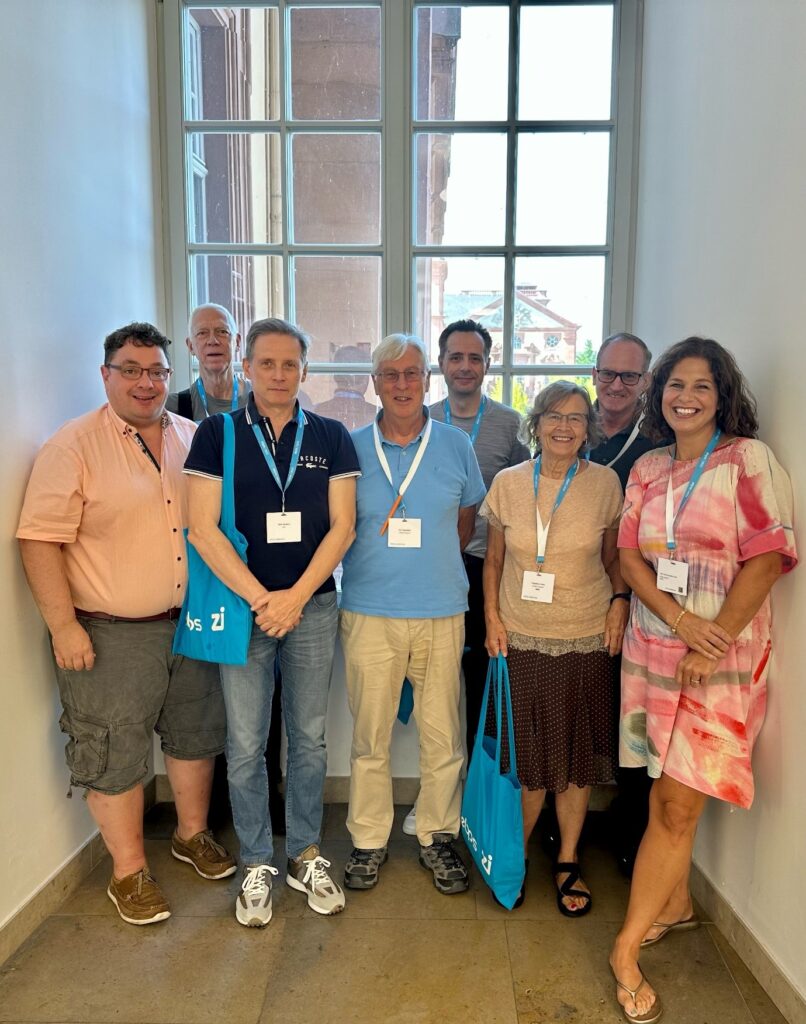
A rare assembly of presidents.
Mannheim, Germany, 2023
(from left to right) John Cryan, Terry Robinson, Aldo Badiani, Dai Stephens, Gavan McNally, Dora Duka, Yavin Shaham, Shelly Flagel
EBPS Distinguished Acheivement Award
The European Behavioural Pharmacology Society (EBPS) Distinguished Achievement Award recognises scientists for outstanding contributions to behavioural pharmacology and neuroscience and for a strong commitment to the Society. Winners are typically invited to present a keynote lecture at the EBPS biennial meeting. The Award was first presented in 2001. (Affiliations at time of award)
2001 – Trevor Robbins
University of Cambridge, United Kingdom
2003 – Lex Cools
Radboud University, The Netherlands
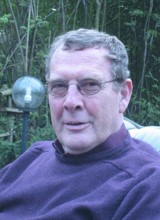
2005 – Jane Stewart
Concordia University, Canada
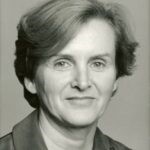
2007 – Klaus Miczek
Tufts University, United States

2009 – Ian Stolerman
King’s College London, United Kingdom
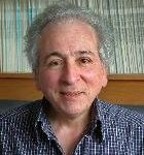
2011 – Barry Everitt
University of Cambridge, United Kingdom
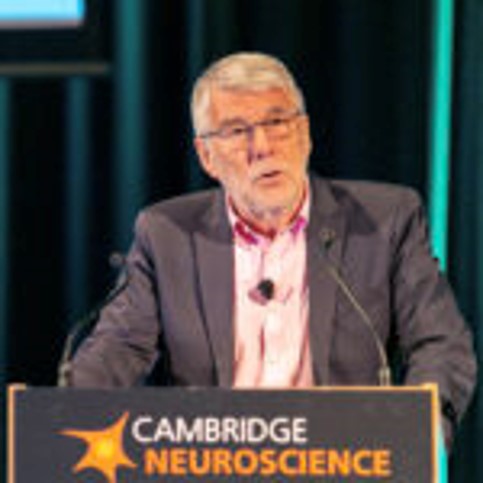
2013 – Terry Robinson
University of Michigan Ann Arbor, United States

2015 – Gaetano Di Chiara
University of Cagliari, Italy

2017 – Yavin Shaham
National Institutes of Health (NIH), National Institute on Drug Abuse (NIDA), United States
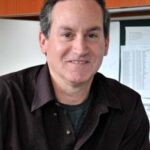
2019 – Harriet de Wit
University of Chicago, United States

2021 – Aldo Badiani
Sapienza University of Rome, Italy

2023 – Pier-Vincenzo Piazza
Aelis Pharma, France

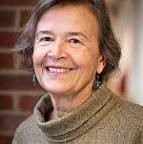
2025 – Theodora Duka
University of Sussex, United Kingdom
Young Scientist Award
An additional award was introduced in 2001, honouring young scientists in the early stages of their careers. The value of these awards is illustrated by the fact that several of the awardees have gone on to play important leadership roles in EBPS. The EBPS Young Scientist Award recognises outstanding junior researchers (typically early-career scientists (postdocs or junior faculty) within 10 years of their final degree (PhD or MD)) for their significant contributions to behavioural pharmacology. Award winners are usually invited to give a plenary lecture at the biennial meeting.
2001 – Christelle Baunez
University of Aix-Marseille, France

2003 – Karen Szumlinski
University of California Santa Barbara, United States

2005 – John Cryan
University College Cork, Ireland

2007 – Christian Muller
University or Erlangen, Germany

2009 – David Belin
University of Cambridge, United Kingdom

2011 – Judith Homberg
Radboud University Medical Centre, The Netherlands

2013 – Viviana Trezza
Rome Tre University, Italy

2015 – Carlo Cifani
University of Camerino, Italy
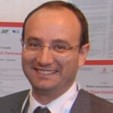
2017 – Amy Milton
University of Cambridge, United Kingdom

2019 – Marco Venniro
National Institutes on Drug Abuse (NIDA), United States

2021 – Leah Mayo
University of Calgary, Canada

2023 – Leslie Ramsey
National Institute on Drug Abuse (NIDA), United States

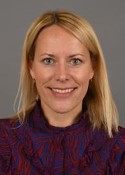
2025 – Ida Fredriksson
National Institute on Drug Abuse (NIDA), United States
Acknowledgements
Thanks to the current president, Gavan McNally, who took advantage of the collegial atmosphere and free-flowing wine at the Biennial Meeting dinner in Almería to persuade me to take on this task. Thanks also to Mohammed Shoaib (who I suspect of passing on the information that these days I publish more local history essays than scientific publications) for delivering a roomful of cardboard files as raw materials to my house in Brighton, and to Shelly Flagel for providing access to the more user-friendly electronic minutes of EC meetings from the past decade.
Thanks to the many past presidents and meeting organisers who provided me with comments and memories of their times as meeting organisers/presidents; without them, the Society would simply not work, let alone be as scientifically rewarding as it undoubtedly is. I hope they will forgive me for not simply copying and pasting their contributions.
The History is perhaps not as complete as I would have wished: several former colleagues have passed away, or retired, while others have pursued careers that have taken them away from Behavioural Pharmacology, or simply forgotten to update the Society’s email list, so that some of the biennial meeting descriptions are inadequate. As a result, some accounts of meetings are rather “thin”. Apologies.
Curator

Dai Stephens
Emeritus Professor,
University of Sussex,
United Kingdom
EBPS President 1994-1996